
Arctic Science Summit Week 2015 was held in Toyama Prefecture in Japan, and the country has been an Observer in the Arctic Council since 2013. Given that the upcoming Arctic Science Summit Week is scheduled to be held in Hokkaido Prefecture in northern Japan, this workshop aimed to share the (sub)Arctic research landscape with local Indigenous Ainu communities. The workshop was held over two days and conducted in Japanese. Seira Duncan and Olivia Doyle, both of whom had previously worked with Ainu, were the lead organisers of the workshop. Duncan and Doyle reached out to their contacts who were then encouraged to contact others. The aim of the workshop was to identify research interests and priorities and to catalyse Ainu involvement in the Arctic Science Summit Week scheduled to be held in Hokkaido in 2027. Around 40 individuals including elders and youth attended (including 14 self-identifying Ainu) and were introduced to the activities of the International Arctic Science Committee (such as those of the Atmosphere, Cryosphere, Marine, Social & Human and Terrestrial Working Groups) and the wider science landscape.
Both days started with presentations by Duncan and Doyle. Presentations discussed Ainu-related publications such as the Arctic Council’s 2020 news article Building a sustainable future with lessons from the past and the University of Lapland’s Arctic Anthropology blog post Sámi-Ainu Cultural Exchange in Hokkaido, Japan, as well as videos like that of the Arctic Science Summit Week in Edinburgh, Scotland. Participants learned about ethical guidelines in relation to conducting research in Indigenous communities in North American contexts. Duncan, who was a Social & Human Working Group Fellow at the International Arctic Science Committee from 2022 until 2024, shared her experience at the International Arctic Science Committee and explained their fellowship programme.
Following these, Ainu participants were invited to lead open discussions to share their thoughts and ideas on the presentations. While Ainu participants were interested in the upcoming Arctic Science Summit Week in Hokkaido, some expressed concerns related to educational and language (English) barriers. Both Ainu and non-Ainu contributed to discussions on environmental changes, biodiversity and ethical research. On both days, Ainu elders expressed interest in supporting the attendance of youth at the Arctic Science Summit Week.
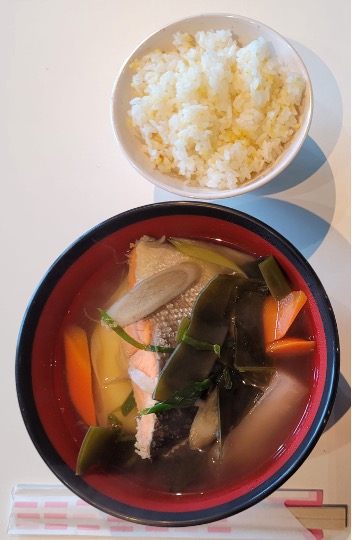
The workshop findings encourage organisers and participants of the Arctic Science Summit Week in Hokkaido to consider ways to support Ainu participation (e.g. Japanese interpretations and translations) on their ancestral land.Duncan, who attended the Arctic Science Summit Week in Aarhus, Denmark, highlighted the importance of interpretations and translations, a component that was addressed multiple times in this workshop. The workshop findings are also of relevance to the Indigenous Pavilion which has been a part of the Arctic Science Summit Weeks in Colorado, US and Aarhus. For instance, the Pavilions included musical performances, and Ainu who attended the workshop emphasised the importance of sharing music with other attendees. Additionally, traditional Ainu cuisine-making on the 2nd day of the workshop was led by Ainu participants, the costs of which were covered by the International Arctic Science Committee. The organisers are extremely grateful to all participants who made time to participate in the workshop, as well as the International Arctic Science Committee for financing this project.
On a related note, along with Robbie Mallett and Alistair Duffey, Duncan secured funding for the project Okhotsk Konru: a 5-day workshop exploring indigeneity and sea ice in Hokkaido. Financed by the Cryosphere and Marine Working Groups, this interdisciplinary workshop is anticipated to strengthen collaboration among international and domestic researchers and Indigenous community members. The workshop will take place along the northern coast of Hokkaido, travelling through Wakkanai, Monbetsu, Saroma Lake and Abashiri.
Highlights
- Educational and language (English) barriers exist when it comes to Ainu participation at the ASSW in Hokkaido
- Participants found discussions on environmental changes and biodiversity, as well as sharing their culture (e.g. music) with other workshop participants, important
- Ainu elders were particularly interested in seeing Ainu youth participate in the ASSW
Note: these do not necessarily represent the views of all participants.
Date and Location:
14th and 17th January 2026, Hokkaido, Japan
IASC Working Groups funding the Project:
Project Lead
Seira Duncan (University of Eastern Finland, Finland)
Year funded by IASC
2025